Serving Seattle, Washington
Crawlspace Moisture, Vapor & Waterproofing
What we cover
More Crawlspace Services
Why homeowners choose Crawlspace Repair Experts
-
Licensed & Bonded
Fully licensed in Oregon and Washington. All work is bonded and insured.
-
Free Estimates
No-obligation quotes on every job. We show up, assess, and give you a straight answer.
-
Local Family Business
Serving Portland and Seattle homeowners for over 20 years — not a franchise.
Get your free quote
We'll get back to you within one business day.
Crawlspace Moisture Damage Repair
Excessive moisture in crawlspaces can lead to significant damage in Seattle's older homes, manifesting in wood rot and mold growth. This damage often stems from poor drainage, inadequate ventilation, and a lack of effective moisture barriers1. The first step in repairing crawlspace moisture damage is identifying and addressing the moisture sources, such as clogged gutters or improper grading around the home. Once these issues are mitigated, repairing the damage involves replacing rotted wood and treating areas affected by mold. It's crucial to maintain a moisture content below 20% in wooden structures to prevent further fungal growth2. Installing proper drainage systems and ensuring effective ventilation are also vital steps in preventing future damage. If you're experiencing moisture damage in your crawlspace, it's essential to take swift action to protect your home from further deterioration.
Dealing with crawlspace moisture damage repair? Call us for a free assessment.
(503) 905-9050Crawlspace Water Damage Restoration
Water damage in crawlspaces is a common issue for Seattle homeowners, particularly given the region's wet climate and older housing stock. When water accumulates in your crawlspace, it can lead to structural damage and health hazards like mold growth. The first step in restoring water-damaged crawlspaces is to identify and address the source of moisture, which may include fixing drainage issues, repairing gutters, or regrading the soil to slope away from the foundation3. Once the source is controlled, the next step is to remove any standing water and dry out the space. This can involve using dehumidifiers and fans to reduce humidity levels and improve ventilation. After the area is dry, assess any damage to wooden structures such as floor joists or sills, which may be compromised by rot if the moisture content exceeds 20%4. Damaged materials should be repaired or replaced to ensure the structural integrity of your home. If mold is present, professional remediation may be necessary to prevent spores from spreading to living areas. To prevent future issues, consider installing a vapor barrier or improving the drainage system around your foundation. Don't wait for water damage to escalate—take action now to protect your home from further harm.
Dealing with crawlspace water damage restoration? Call us for a free assessment.
(503) 905-9050Crawlspace Drainage Corrections
In the Pacific Northwest, where rain and moisture are constant companions, ensuring effective crawlspace drainage is crucial to protecting your home. Poor drainage systems can lead to excessive moisture, which in turn causes dry rot and molds that compromise structural integrity and indoor air quality5. A comprehensive drainage correction typically involves the installation of footing drains that draw down the groundwater level below the crawlspace walls and floors. These drains collect and redirect water away from your home, preventing it from seeping into the crawlspace6. This process often includes using perforated pipes surrounded by gravel and filter fabric to ensure the system remains unclogged and efficient. Correcting your crawlspace drainage not only safeguards your home from water damage but also contributes to a healthier living environment. If you're experiencing crawlspace moisture issues, it's time to consider a drainage correction to protect your home and family.
Dealing with crawlspace drainage corrections? Call us for a free assessment.
(503) 905-9050Crawlspace Vapor Barrier Installation
Installing a vapor barrier in your Seattle crawlspace is crucial for protecting your home from moisture-related issues. In the Pacific Northwest, where rain and humidity are prevalent, a well-installed vapor barrier prevents moisture from rising from the ground and condensing on your home’s structural components. This helps to avert problems like mold growth and wood decay. A high-quality vapor barrier should have a permeability rating of 1.0 perm maximum and be durable enough to withstand foot traffic7. Materials such as 6-mil polyethylene and 45-mil EPDM membranes are ideal choices8. During installation, the edges of the vapor barrier should overlap by at least 6 inches and be securely sealed or taped. Additionally, the barrier must extend at least 6 inches up the foundation walls to ensure comprehensive coverage. By adhering to these best practices, you can significantly reduce the risk of moisture damage in your crawlspace. To secure your crawlspace against moisture, consider scheduling a professional vapor barrier installation today.
Dealing with crawlspace vapor barrier installation? Call us for a free assessment.
(503) 905-9050Crawlspace Moisture Barrier Replacement
Replacing a crawlspace moisture barrier is crucial for maintaining a dry and healthy home environment, especially in the damp climate of the Pacific Northwest. A moisture barrier, like a 6-mil polyethylene sheet, effectively restricts the evaporation of soil moisture, preventing condensation and wood decay in the crawlspace9. Over time, these barriers can deteriorate due to foot traffic and environmental exposure, becoming less effective and allowing moisture to seep into the crawlspace. When replacing a moisture barrier, it is essential to ensure that the sheet overlaps by at least six inches at the edges and extends up the foundation walls by at least six inches, where it should be securely fastened and sealed10. This ensures a continuous and effective barrier against moisture. If you're noticing signs of moisture damage or your current barrier is compromised, it's time to consider a replacement to protect your home from potential structural issues. Reach out today to schedule a moisture barrier assessment and replacement for your Seattle home.
Dealing with crawlspace moisture barrier replacement? Call us for a free assessment.
(503) 905-9050Crawlspace Ventilation Improvements
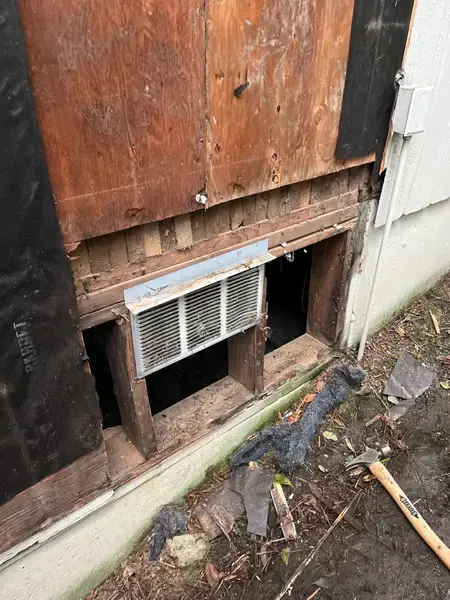
Proper crawlspace ventilation is crucial for maintaining a healthy home environment, particularly in the damp climate of Seattle. Ensuring your crawlspace is ventilated reduces moisture buildup, which can prevent mold growth and structural damage. The International Residential Code (IRC) recommends that unconditioned crawl spaces have a minimum of four vents, with at least one on each wall, located no farther than three feet from each corner. These vents should be positioned high on the walls to maximize airflow and prevent moisture retention11. In addition to strategic vent placement, it’s essential to consider the type of vent cover used. The free vent area must total no less than 1/150 of the floor area, and the vent’s effectiveness can be enhanced by selecting appropriate vent cover materials, such as 1⁄4-inch mesh hardware cloth or 16-mesh insect screens, which influence the gross vent area12. By updating your crawlspace ventilation system, you can protect your home from the harmful effects of excess moisture. For optimal results, assess your crawlspace ventilation needs and make adjustments to ensure proper airflow and moisture control.
Dealing with crawlspace ventilation improvements? Call us for a free assessment.
(503) 905-9050Crawlspace Waterproofing
Waterproofing your crawlspace is essential for protecting your Seattle home from moisture-related issues like mold, rot, and structural damage. With the Pacific Northwest's abundant rainfall, unaddressed water intrusion can lead to significant problems. An effective crawlspace waterproofing strategy begins with creating a barrier against moisture by using a vapor retarder, such as a 6-mil polyethylene sheet, to cover the ground. This barrier restricts soil moisture from evaporating into the crawlspace, preventing condensation and wood decay13. Additionally, it's crucial to ensure proper drainage around the foundation. Installing a 4-inch perforated drainpipe surrounded by coarse gravel can efficiently direct water away from the crawlspace, helping to maintain a dry environment14. These measures not only protect your home but also improve energy efficiency by keeping the crawlspace dry and properly insulated. To ensure your crawlspace is adequately waterproofed, consider consulting a professional who can assess your specific needs and recommend the best solutions for your home.
Dealing with crawlspace waterproofing? Call us for a free assessment.
(503) 905-9050Crawlspace Mold Remediation
Mold in crawlspaces is a common issue for Seattle homeowners due to the region's damp climate. To effectively remediate mold, it's crucial to first eliminate the source of moisture, as mold cannot thrive without it15. This often involves improving drainage, fixing leaks, and installing vapor barriers. Proper protective gear, such as respirator masks with N95 filters, gloves, and disposable coveralls, should be worn during remediation to limit exposure to mold spores16. If mold is extensive, hiring a professional remediation company is advisable. Once the moisture source is addressed, all mold-affected materials should be thoroughly cleaned with soapy water, and any heavily damaged materials should be replaced. The goal is to reduce the moisture content of affected areas to below 20%, as mold spores become dormant in low-moisture conditions16. Regular monitoring of the crawlspace environment can prevent future mold growth. If you're dealing with mold in your crawlspace, consider a professional assessment to ensure comprehensive remediation and long-term protection.
Dealing with crawlspace mold remediation? Call us for a free assessment.
(503) 905-9050Crawlspace Mold Testing & Encapsulation
In Seattle's damp climate, crawlspace mold is a common problem that can impact your home's structural integrity and air quality. Mold testing is crucial for identifying the types and extent of mold present. The process involves collecting air and surface samples, which are then analyzed in a lab to identify mold species and concentrations. This data guides the remediation process, ensuring a targeted approach to mold removal.
Encapsulation is a key step in preventing future mold growth. This involves sealing the crawlspace with a durable vapor barrier, which covers the ground and walls, preventing moisture intrusion. Proper encapsulation also includes sealing any air leaks and potentially conditioning the air to manage humidity levels17. According to building best practices, sealing crawlspaces not only prevents mold but also improves overall energy efficiency by keeping the crawlspace within the home's thermal envelope18.
If you're experiencing mold issues in your crawlspace, it's time to schedule a professional mold test and consider encapsulation to protect your home and health.
Dealing with crawlspace mold testing & encapsulation? Call us for a free assessment.
(503) 905-9050View sources (19)
| # | Source | Page | Note |
|---|---|---|---|
| 1 | Michael Litchfield - Renovation-Taunton Press (2013) | p. 413 | Discusses common causes and solutions for crawlspace moisture issues. |
| 2 | Charlie Wing - The Visual Handbook of Building and Remodeling-Taunton Press (2018) | p. 107 | Explains the impact of moisture on wooden structures and mold growth. |
| 3 | Michael Litchfield - Renovation-Taunton Press (2013) | p. 214 | Importance of addressing water sources and drainage. |
| 4 | Charlie Wing - The Visual Handbook of Building and Remodeling-Taunton Press (2018) | p. 107 | Prevention and effects of moisture on wooden structures. |
| 5 | Charlie Wing - The Visual Handbook of Building and Remodeling-Taunton Press (2018) | p. 107 | Discusses problems caused by excessive moisture in crawlspaces. |
| 6 | Michael Litchfield - Renovation-Taunton Press (2013) | p. 245 | Details on installing a first-rate drainage system using perforated pipes. |
| 7 | Charlie Wing - The Visual Handbook of Building and Remodeling-Taunton Press (2018) | p. 108 | Details on vapor retarder specifications and installation. |
| 8 | Charlie Wing - The Visual Handbook of Building and Remodeling-Taunton Press (2018) | p. 108 | Recommended materials for vapor barriers. |
| 9 | Charlie Wing - The Visual Handbook of Building and Remodeling-Taunton Press (2018) | p. 108 | Discusses the effectiveness of vapor retarders. |
| 10 | Charlie Wing - The Visual Handbook of Building and Remodeling-Taunton Press (2018) | p. 108 | Explains installation requirements for vapor retarders. |
| 11 | Charlie Wing - The Visual Handbook of Building and Remodeling | p. 108 | IRC ventilation requirements for crawl spaces |
| 12 | Charlie Wing - The Visual Handbook of Building and Remodeling | p. 108 | Impact of vent cover materials on ventilation efficiency |
| 13 | Charlie Wing - The Visual Handbook of Building and Remodeling-Taunton Press (2018) | p. 108 | Ground covers prevent condensation and wood decay in crawl spaces. |
| 14 | Charlie Wing - The Visual Handbook of Building and Remodeling-Taunton Press (2018) | p. 101 | Proper installation of drainage systems is crucial for moisture control. |
| 15 | Michael Litchfield - Renovation-Taunton Press (2013) | p. 414 | Importance of moisture control in mold remediation. |
| 16 | Michael Litchfield - Renovation-Taunton Press (2013) | p. 415 | Protective measures and remediation steps for mold. |
| 17 | Michael Litchfield - Renovation-Taunton Press (2013) | p. 414 | Discusses sealing and conditioning crawlspaces to prevent mold. |
| 18 | Charlie Wing - The Visual Handbook of Building and Remodeling-Taunton Press (2018) | p. 459 | Covers crawlspace insulation and sealing for moisture control. |
Ready for Professional Crawlspace Moisture, Vapor & Waterproofing?
Get a free consultation and quote today. We're here to help with all your crawlspace needs in Seattle, Washington.